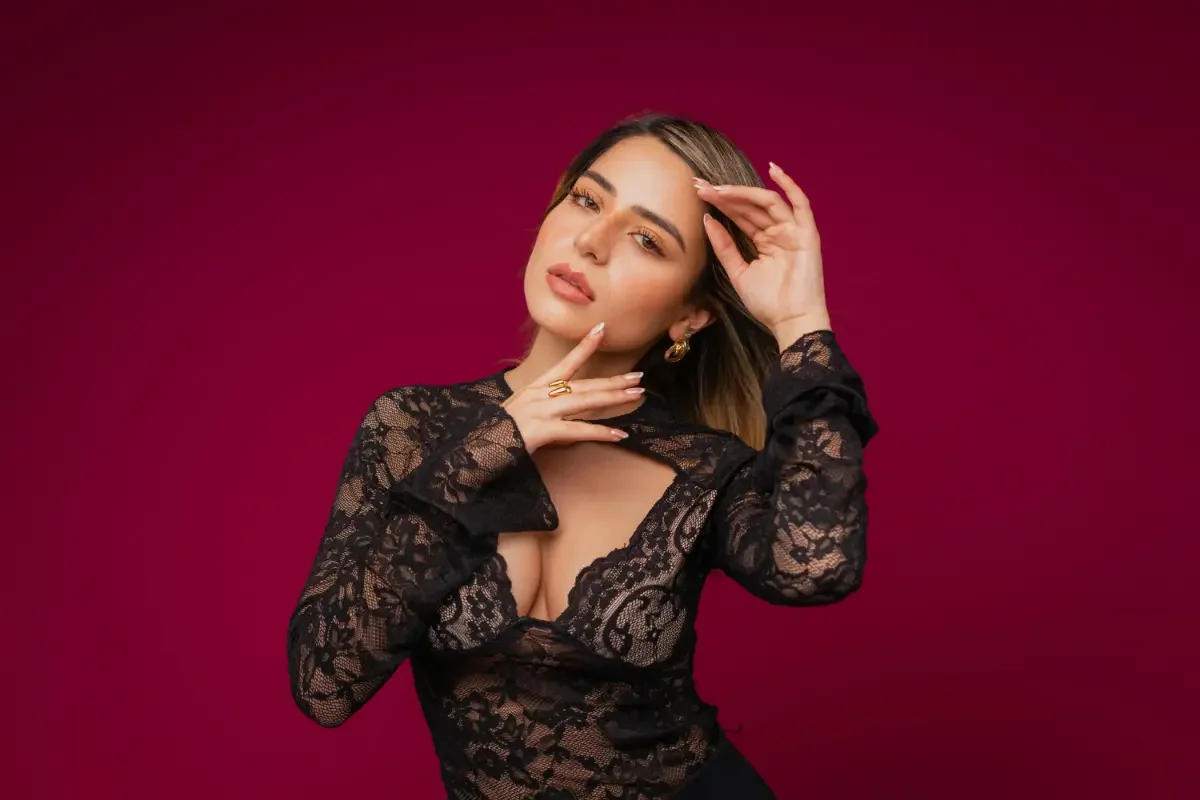
Signs a modeling agency or scout is legit start with transparency, clear contracts, and no upfront-fee pressure posing as opportunity.
In modeling, hope is a powerful currency. It can also be expensive. The business runs on dreams, timing, and the occasional miracle of being spotted under bad mall lighting. That makes it easy for bad actors to borrow the language of fashion while selling something much less glamorous: access that is not real, promises that do not hold, and urgency that exists mostly to empty a wallet.
So what are the signs a modeling agency or scout is legit? Usually, legitimacy is less about sparkle than structure. Real agencies and credible scouts tend to be boring in the right ways. They are clear about who they are, what they do, how they make money, and what they cannot promise. They may be enthusiastic, but they are not theatrical. In an industry that can feel mysterious by design, the safest people are often the ones who make things easier to understand.
A legitimate agency is a business before it is a fantasy. It should have a verifiable presence, working contact information, a professional roster, and some visible relationship to the market it claims to serve. If an agency says it places fashion models, you should be able to see evidence of that work in the world: agency books, credited jobs, social channels that look active rather than invented yesterday, and names that connect to real photographers, brands, magazines, or retailers. None of this has to scream luxury. It simply has to make sense.
The same goes for scouts. A real scout may work independently or through an agency, but the trail should still lead somewhere concrete. There should be a company, a known network, a recognizable history, or references that can be checked. A legitimate scout does not mind being verified. In fact, a serious professional usually expects it. Anyone offended that you want to confirm their identity is waving a red flag with unusual confidence.
Transparency Is the Unfashionable Superpower
If there is one quality that separates legitimate representation from a hustle in high heels, it is transparency. A real agency can explain its commission structure, the services it provides, and the terms of its contract in plain language. It does not hide behind jargon, intimidation, or a fog machine made of vague promises.
Most legitimate modeling agencies earn money when their models work. That is the basic logic. They develop talent, submit models for jobs, negotiate rates, and take a commission from booked work. Some markets also involve test shoots, digitals, comp cards, or website fees, but the key question is not whether any cost exists. The key question is whether the cost is reasonable, disclosed in advance, and connected to a real development plan rather than pressure tactics. “Pay now or lose your chance forever” is not the voice of opportunity. It is the voice of a late-night infomercial wearing sunglasses indoors.
Contracts matter here. A legitimate agency will give you time to read an agreement and, if needed, seek advice before signing. It will not rush you because “a major brand needs an answer in ten minutes.” Fashion moves fast, yes. Fraud talks faster. A good contract should identify the parties involved, the territory covered, the length of the agreement, the commission rate, and how termination works. If the document is confusing on basic points, assume the confusion is doing a job.
“Trust me” is nice. “Here is the contract, here is how payment works, and here is who you can call” is better.Communication style is another clue. Legitimate agencies and scouts are usually direct, respectful, and consistent. They can answer ordinary questions without turning defensive or slippery. They do not need to flatter you into compliance. They may say you have potential, but they are also likely to talk about fit, market, development, and timing. Real professionals know that modeling is subjective. Scammers tend to sound certain because certainty sells.
What Real Opportunity Usually Looks Like
A legitimate agency or scout also behaves like someone with a long-term reputation to protect. That shows up in small details. Meetings are held in professional settings or, if initial contact happens online, the next steps are orderly and easy to verify. Requests for photos are specific and reasonable. Simple digitals, natural light, clean clothing, no heavy styling—that is standard. Demands for money, secrecy, or inappropriate images are not.
The strongest agencies usually talk less about instant fame and more about process. They discuss where you might fit commercially, editorially, or locally. They explain that development can take time. They may suggest improving snapshots, updating measurements, or waiting for the right season. This can feel less thrilling than hearing you are the next supermodel by Thursday, but it is much more believable. In fashion, seriousness often arrives dressed as patience.
Another good sign is that an agency’s claims match its scale. A smaller market agency may help talent build experience with e-commerce, regional brands, and commercial work. A larger agency may have stronger editorial and international connections. Neither is automatically better; what matters is honesty about reach. Be cautious when a company with little visible track record claims effortless access to every major brand in Paris, Milan, New York, and your cousin’s swimwear startup.
Ask practical questions. Who are some current models on the roster? What kinds of jobs do they book? How are castings submitted? What expenses, if any, might come up? How are earnings paid? A legitimate agency should not treat these as insults. They are normal business questions. If the answers are evasive, the opportunity may be too.
Instinct Matters, but Receipts Matter More
People often say to trust your gut, and that is useful up to a point. If something feels off, pay attention. But instincts get stronger when backed by evidence. Search for company records. Check whether the agency is known in its market. Look at model credits. See whether industry professionals follow or interact with them in credible ways. If a scout claims affiliation with an agency, confirm it through the agency’s official channels, not just the scout’s profile picture and excellent cheekbones.
None of this guarantees perfection. Legitimate agencies can still be disorganized, and credible scouts can still be blunt, late, or allergic to email etiquette. Fashion is not famous for administrative serenity. But there is a big difference between imperfect and invented. Legit businesses leave a trail. Scams leave a mood.
In the end, the signs a modeling agency or scout is legit are refreshingly unromantic: transparency, verifiable identity, clear contracts, realistic expectations, and a business model that does not depend on your panic. The good news is that real opportunity does not usually mind being examined. It can survive questions. It may even welcome them. In an industry built on image, legitimacy is what remains when the lighting is ordinary and the details are still solid.